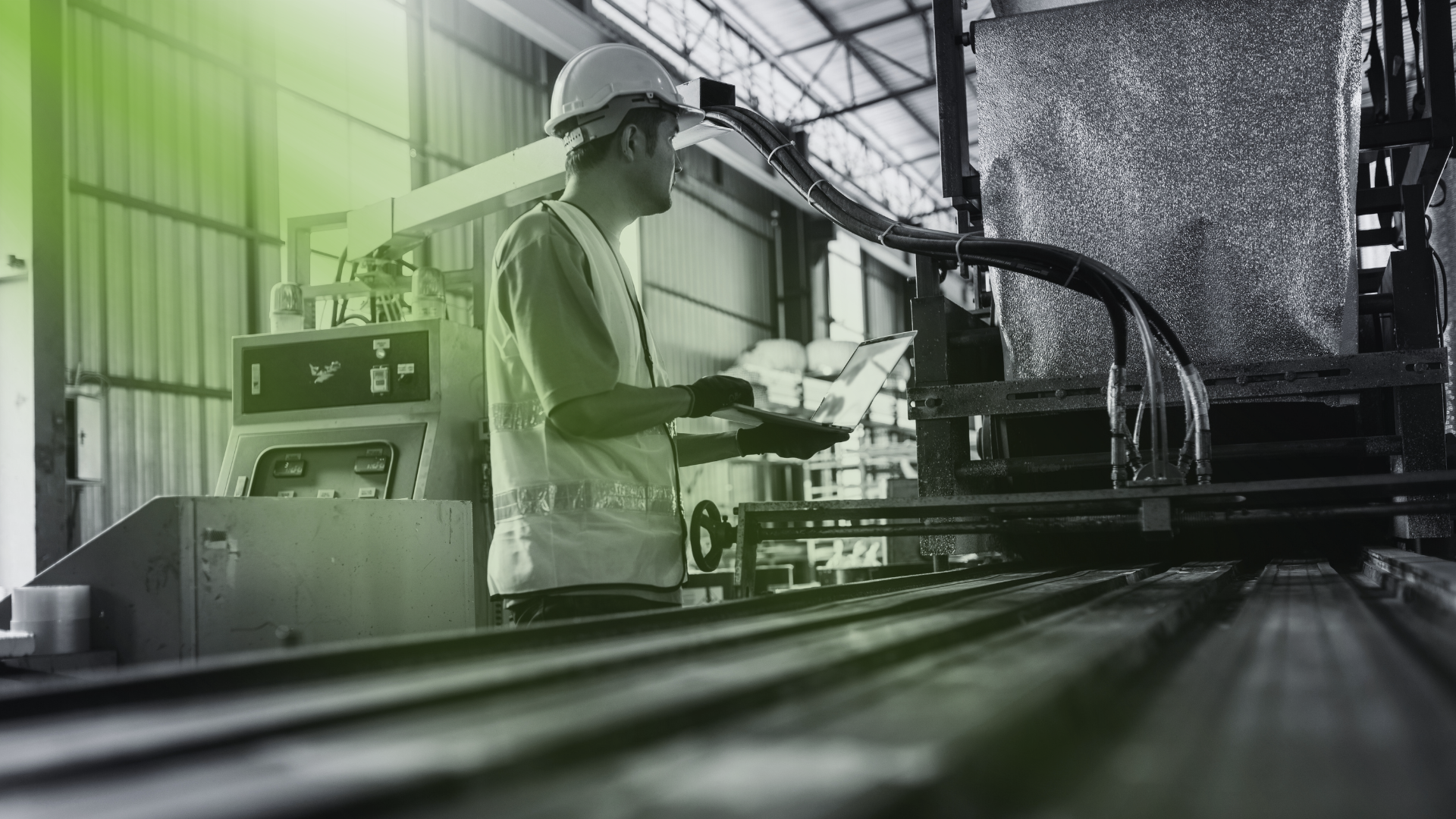
The Food & Drink sector is changing faster than ever before. Increasing consumer expectations, tighter retailer requirements, rising competition, and margin pressures are pushing manufacturers to operate at peak efficiency. At the same time, technological advances in automation, real-time data monitoring, and production analytics are transforming how factories run.
But while equipment, software, and processes have evolved, the people running these operations haven’t always caught up. This is creating what many are calling an operational leadership gap, a challenge that threatens productivity, compliance, and long-term competitiveness.
The Changing Demands on Operations Leaders
Historically, senior operations roles in manufacturing were primarily about maintaining production, managing teams, and meeting safety standards. Today, the role is far more complex and demanding. Modern Operations Directors and Plant Managers are expected to:
- Drive Efficiency Through OEE
Overall Equipment Effectiveness (OEE) is no longer just a nice-to-have metric it is critical to profitability. Leaders must not only track machine performance but also understand the underlying causes of downtime and inefficiency. They need the skills to make real-time decisions that minimise waste, increase throughput, and improve overall line performance.
- Minimise Changeover Times
Product portfolios are more diverse than ever, and production runs are shorter. Leaders must ensure that lines can switch quickly and efficiently between products. Even small delays in changeovers can lead to significant downtime, impacting delivery schedules and margins.
- Ensure Hygiene and Regulatory Compliance
Food safety standards continue to tighten, and the consequences of non-compliance are severe. Leaders must embed a culture of hygiene and safety across all levels of the factory, ensuring consistent processes and accountability, and responding effectively to audits and inspections.
- Navigate Retailer Pressures
Retailers are increasingly exacting. They demand shorter lead times, higher service levels, and transparency around production and quality. Operational leaders need to understand these pressures and align their teams to deliver reliably, while still meeting efficiency and quality targets.
Why the Gap Exists
So, why is there a gap in leadership?
Many manufacturing companies still rely on leadership models from a previous era. Traditional senior managers excel at managing teams and maintaining routines, but they may lack the technical knowledge, operational insight, and strategic vision required to navigate today’s challenges.
Other contributing factors include:
- Talent shortages: Skilled senior leaders with experience in modern Food & Drink operations are in high demand, and many businesses struggle to find the right people.
- Rapid technological change: Automation, IoT, and data-driven production require leaders to understand digital tools and make data-informed decisions.
- Cultural inertia: Some organisations are slow to adapt leadership expectations to the realities of modern manufacturing.
The result is a gap that affects every layer of the business.
The Consequences of a Leadership Gap
An operational leadership gap can have serious consequences, including:
- Reduced productivity: Downtime, inefficient processes, and slow problem-solving all erode output.
- Higher waste and cost: Ineffective leadership often translates to more material waste, unnecessary overtime, and lower profitability.
- Compliance risks: Gaps in knowledge or accountability can lead to hygiene breaches, safety incidents, or audit failures.
- Difficulty adapting to market pressures: Retailer demands, consumer trends, and new product introductions require agile leadership. Without it, companies fall behind competitors.
- Impact on team morale: Ineffective leadership can lead to confusion, frustration, and higher staff turnover.
Bridging the Gap
Addressing this gap begins with acknowledging it exists. Companies need to ask themselves:
- Are our senior leaders equipped to handle modern OEE and changeover challenges?
- Do they understand current hygiene, compliance, and audit expectations?
- Can they meet the increasing demands of retailers and customers?
- Are we developing and attracting the leadership talent that will drive long-term operational success?
The organisations that recognise this gap early and take action to update leadership profiles, provide training, or recruit new skills will be better positioned to thrive in a competitive, fast-moving market.
Looking Ahead
The Food & Drink sector shows no signs of slowing down. Consumer preferences continue to evolve, retailers’ expectations keep rising, and regulatory requirements are tightening. Operational excellence is now inseparable from effective leadership.
Factories that invest in the right senior leaders capable of managing both people and process, with the technical and strategic insight required today, will see the difference in reduced downtime, higher efficiency, and stronger compliance.
For Food & Drink manufacturers, the leadership gap is not just a challenge, it is a defining factor for long-term success. Recognising it is the first step toward building operations that are resilient, agile, and future-ready.
Transform Your Operations Through Strong Leadership
Modern Food & Drink operations demand leaders who can drive efficiency, compliance, and agility. Book a consultation today and start building the leadership your business needs to thrive. Get in touch now.